Vietcraft.art
Vietnamese Dan Nhi - The Soulful Voice Of Homeland: From Ancient Heritage To The Melodies Of Today
Vietnamese Dan Nhi - The Soulful Voice Of Homeland: From Ancient Heritage To The Melodies Of Today
Couldn't load pickup availability
1. MEET YOUR DAN NHI – A HANDMADE TWO-STRING VOICE FROM VIETNAM
Two strings, a bow and a world of expression. Discover the Dan Nhi, a traditional Vietnamese bowed instrument also known as Dan Co, whose flowing melodies can feel as intimate and expressive as a singing voice.
Individually handcrafted, this instrument offers a connection to Vietnamese musical heritage for players, collectors and cultural enthusiasts.
At a glance
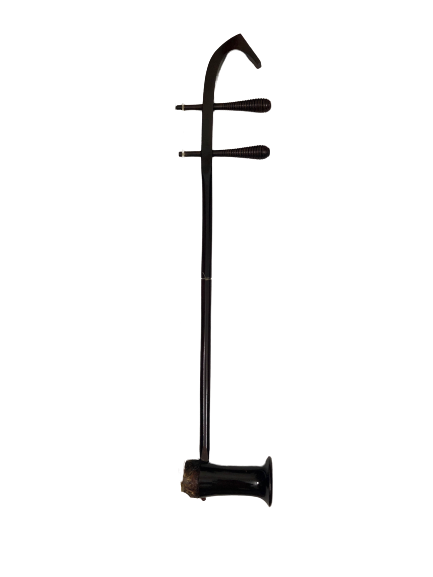
Instrument: Dan Nhi, a traditional Vietnamese two-string fiddle
Also known as: Dan Co
Construction: Individually handmade
Strings: Two
Playing method: Bowed
Design: A slender neck and a small resonating body
Pitch control: Fretless, allowing expressive slides and subtle changes in pitch
Pre-shipment check: Each instrument is sound-tested before dispatch
Discover its voice
The Dan Nhi invites you to explore sustained melodies, gentle vibrato and flowing transitions between notes. Its character comes from the interaction between the instrument, the bow and the player’s touch.
Suitable for Vietnamese traditional-music enthusiasts, musicians exploring bowed instruments, and collectors interested in cultural craftsmanship.
Getting started
Playing the Dan Nhi requires practice with bow control, listening and finger placement. Because there are no frets to mark each note, developing accurate pitch takes time.
Begin with slow, steady bow strokes and simple melodies. Let familiarity with the instrument grow naturally rather than expecting a polished sound on the first day.
Every instrument has its own character
Each Dan Nhi is individually handcrafted from natural materials. Shape, color, grain and finishing details may vary slightly.
Your instrument will be selected from available stock after sound testing. Its appearance may differ from the photographs, reflecting the individual character of handmade craftsmanship.
Caring for your Dan Nhi
Keep the instrument in a dry, ventilated place, away from direct intense sunlight, strong heat and sudden changes in humidity.
Wipe the instrument gently with a soft, dry cloth after use. Handle the strings, bridge and resonating surface carefully, and avoid touching the bow hair unnecessarily.
Shipping from Vietnam
Import duties & import taxes covered by Vietcraft.art
We cover import duties and import taxes for all shipping options below, including express delivery. Shipping fees are separate.
United States · Standard delivery
Carrier: USPS
Estimated delivery: 14–28 days
Import duties and import taxes covered by Vietcraft.art.
European Union · Standard delivery
Carrier: Royal Mail or YunExpress
Estimated delivery: 16–30 days
Import duties and import taxes covered by Vietcraft.art.
United States & European Union · Express delivery
Carrier: UPS, FedEx or DHL
Estimated delivery: 10–18 days
Import duties and import taxes covered by Vietcraft.art.
Large-item shipping
If the packed instrument exceeds ePackage size limits, it must be shipped via UPS, FedEx or DHL. Standard shipping will not be available for that shipment. Import duties and import taxes remain covered by Vietcraft.art.
Please note
Available shipping methods depend on your destination and parcel size. Delivery times are estimates, not guaranteed arrival dates, and may vary due to customs processing and local delivery conditions.
2. THE STORY BEHIND YOUR DAN NHI – TWO STRINGS AND THE SOUL OF VIETNAMESE MUSIC
One instrument, two strings, one bow, and an endless range of emotions. Discover the story of a traditional Vietnamese musical instrument that can express sorrow and joy, evoke longing for home, and create melodies that transcend the boundaries of language.
Important Notice – Handmade Instrument & Natural Variations
As each instrument is individually handcrafted, no two pieces are exactly alike. Every instrument is carefully sound-tested before shipment to ensure its musical quality. A suitable instrument will then be randomly selected from the available stock for your order.
Because each piece is handmade from natural materials, slight differences in appearance, shape, color, grain, and other natural details may occur. The instrument you receive may therefore differ slightly from the product photos displayed on this website.
Please understand and accept these natural variations before placing your order. Thank you for appreciating the unique character of handmade Vietnamese musical instruments.
1. If a Musical Instrument Could Speak Like a Human, It Might Sound Like the Vietnamese Dan Nhi
Imagine sitting in a Vietnamese village as evening falls. The wind moves through rows of bamboo, footsteps echo along a narrow path, and the gentle sounds of everyday life seem to blend into one another. Then, from a corner of a courtyard, a sound begins to rise: delicate and clear, sometimes lingering in the air, sometimes filled with sorrow, and sometimes bending and flowing like a human voice telling a story.
That might be the sound of the Vietnamese Dan Nhi.
Also known as the Dan Co, this traditional Vietnamese bowed string instrument belongs to the family of musical instruments played with a bow. Unlike plucked instruments, which produce sound when their strings are plucked, the Dan Nhi uses a bow to set its two strings vibrating. The other hand controls pitch and shapes the expressive details of the melody.
At first glance, the Dan Nhi appears relatively simple in construction: a long neck, two strings, a small resonating body, and a slender bow. Yet its simple appearance does not limit its expressive possibilities.
The instrument can produce cheerful, lively melodies and bright, soaring tones. It can also convey profound sadness, regret, homesickness, tenderness, and emotions that are difficult to put into words.
That is why the Dan Nhi is often described as a wordless singing voice within traditional Vietnamese music.
In traditional Vietnamese ensembles, the instrument frequently carries prominent melodic lines, guides the emotional direction of a musical passage, and interacts with singers or other instruments. As a solo instrument, it can tell an entire musical story on its own. In an ensemble, it can become the emotional heart of the performance.
At Vietcraft.art, a Dan Nhi is more than a handmade musical instrument shipped from Vietnam to another country. It is also an opportunity for music lovers around the world to experience a part of Vietnamese cultural heritage through their own hands, ears, and musical discoveries.
2. What Is the Dan Nhi? Exploring the Names Behind a Cultural Tradition
The Dan Nhi belongs to the bowed string family, producing sound through the friction between the bow hair and the instrument's strings.
The Vietnamese name Dan Nhi is associated with the instrument's two-string construction. In Vietnamese musical life, however, this instrument is also known by several other names, depending on regional traditions, musical contexts, and performance practices.
- Dan Nhi: The common name for the two-string bowed instrument used in traditional Vietnamese music.
- Dan Co (đàn cò – Vietnamese two-string fiddle, also known as the “stork fiddle”): A familiar alternative name, particularly in southern Vietnam. Its slender shape and expressive, sometimes high-pitched and sometimes plaintive sound are often associated with the stork and images of the Vietnamese countryside.
- Dan Liu (đàn líu – a high-register Vietnamese bowed string instrument): A name found in certain musical and traditional contexts, often associated with a smaller instrument featuring a higher register and a brighter tone.
- Co Ke (cò ke – a traditional folk name associated with bowed string instruments): A folk expression mentioned in some regional traditions and accounts of Vietnamese musical instruments, evoking the distinctive sound of a bow moving across strings.
Names and specific construction details can vary by local tradition. Instruments known by these names are not necessarily identical in size, number of strings, or craftsmanship.
Some introductory accounts suggest that the Vietnamese Dan Nhi has been present since approximately the 10th century. Historical studies of Asian bowed string instruments often examine its development within the broader context of cultural exchange among Asian communities, including traditions associated with the Huqin family of instruments.
However, the history of bowed string instruments across Asia is complex. A particular date or theory of origin should not be treated as the definitive explanation without supporting evidence from specialist historical research.
What matters most is that, over generations, the Dan Nhi has become an established part of Vietnamese musical life. Vietnamese musicians have adopted, adapted, and developed the instrument within their own performance environments, creating distinctive playing styles connected with the Vietnamese language, folk songs, traditional theatre, and the musical tastes of different regions.
3. A Musical Journey Across Vietnam's Ethnic Communities
The Dan Nhi is closely associated with the musical culture of the Kinh people and is also used in various other ethnic communities in Vietnam, including the Tay, Nung, Thai, Muong, Khmer, Dao, Giay, and Hmong communities, as well as other communities with related bowed-string traditions.
Each community may have its own instrument names, dimensions, materials, and performance techniques. These differences reflect local environments, available materials, intended uses, and the musical aesthetics of each community.
For this reason, exploring the Vietnamese Dan Nhi is not simply a matter of studying one standardized instrument design. It also means discovering a rich family of musical practices cultivated in different cultural settings.
In one place, the instrument may accompany folk singing. Elsewhere, it may appear in ceremonial ensembles, traditional theatre, or instrumental performances. In modern music education, it is also used to develop listening skills, bowing technique, and expressive control.
This is one of the enduring beauties of traditional musical instruments: their physical forms may change, but their connections with sound, people, and culture continue.
4. The Anatomy of the Dan Nhi: How Small Components Come Together to Create a Voice
To understand how the Dan Nhi can sound both piercing and delicate, we need to look closely at its individual components.
4.1. Bat Nhi (bát nhị – the resonating chamber)
The Bat Nhi, also known in some descriptions as the instrument's resonator or resonating body, is an essential component that amplifies and shapes the sound.
In the traditional Vietnamese design described here, the resonator is commonly made from strong, durable hardwood. Depending on the instrument, it may have a round or polygonal shape, or a form resembling the opening petals of a morning-glory flower.
One product reference gives a resonator length of approximately 13.8 cm. This is a reference measurement for a particular instrument design, not a universal specification for every Vietnamese Dan Nhi.
One end of the resonator is covered with a stretched animal-skin membrane. Depending on the instrument and applicable regulations, traditional materials may include snake skin, monitor lizard skin, or other types of animal skin. The opposite end works with the body's construction to form the resonating chamber.
In some designs, the back of the resonator is open or partially open. Other variations incorporate a wooden back, openings, or decorative patterns that contribute to the instrument's appearance and acoustic behavior.
The Bat Nhi is more than a decorative component. When the strings vibrate, their vibrations pass through the bridge to the membrane. The membrane vibrates in response and excites the air within the resonating chamber, producing the sound heard by the listener.
The material, membrane tension, chamber dimensions, shape, and craftsmanship can all influence volume, resonance, brightness, and tonal character.
A membrane that is too loose, too tight, or unevenly tensioned may produce an unbalanced sound. This is why instrument makers pay close attention to the tension and stability of the resonating surface.
4.2. Doc Nhi (dọc nhị – the instrument's long neck)
The Doc Nhi, or instrument neck, is the long wooden shaft that passes through the resonator and supports the strings and associated components.
One specification in the supplied product notes gives a neck length of approximately 75.5 cm. Other general descriptions place the length at around 70–80 cm, depending on the instrument design.
The neck is usually slender and relatively straight. Its upper end may curve slightly or feature decorative shaping. Some instruments have carved dragon heads, stork heads, flower buds, or other ornamental motifs.
Its elongated shape gives the instrument an elegant, flowing appearance, sometimes compared to the long neck of a stork.
Technically, the neck is where the player places and moves the fingers to change the effective vibrating length of the strings, thereby producing different pitches.
Unlike a guitar, the traditional Dan Nhi has no frets dividing the neck into fixed pitch positions. Players must rely on their hearing, finger awareness, and experience to locate the correct position for each note.
The neck is therefore not merely a structural support for the strings. It is also the space in which musicians shape the subtle nuances of the melody.
4.3. Truc Day (trục dây – the tuning pegs)
The Dan Nhi has two tuning pegs, usually made of wood and fitted through the upper part of the neck.
These pegs adjust string tension and, consequently, the pitch of each string. In some designs, the upper peg is assigned to the lower-pitched string and the lower peg to the higher-pitched string, although the arrangement may vary.
The pegs must fit their holes properly. If they are too loose, they may slip and cause the strings to lose their tuning. If they are too tight, tuning becomes difficult, and incorrect adjustments may damage the instrument.
Carefully made tuning pegs help players maintain more stable pitches during practice and performance.
4.4. The Two Strings: The Foundation of the Instrument's Tone
The two strings are the most distinctive feature of the Dan Nhi.
Traditionally, the strings may be made from twisted silk. Today, nylon and metal strings are also used, depending on the instrument and the player's preferences.
According to the supplied product notes:
- Silk or nylon strings are often chosen by players seeking a softer, gentler tonal character.
- Metal strings often produce a brighter, clearer, and more prominent sound.
These are general tendencies rather than absolute rules. The actual tone also depends on the instrument's construction, string tension, resonating membrane, bow, and playing technique.
The two strings are commonly distinguished as the inner and outer strings, corresponding in many playing contexts to the lower- and higher-pitched strings.
Together, they provide the instrument with enough range for melodic performance, pitch changes, and a variety of expressive techniques.
4.5. Cu Nhi (cử nhị – the string-positioning loop)
The Cu Nhi, also known by alternative names in some playing traditions, is a small loop made from thread, silk, nylon cord, or a similar material.
It holds the two strings close to the neck and can be moved up or down to adjust their positioning, effective vibrating length, and the player's fingering comfort.
In the common construction described here, the Cu Nhi does not replace the bridge. The two components perform different functions: the loop positions and holds the strings, while the bridge transfers their vibrations to the resonating membrane.
A distance of approximately 25–30 cm between the string-positioning loop and the resonating membrane is suggested in one beginner-oriented setup guide. This is a reference measurement, not a universal standard for every Dan Nhi.
The loop's position should suit the instrument's string length, design, and the player's hand span. Incorrect positioning may make fingering uncomfortable or interfere with performance.
4.6. Ngua Dan (ngựa đàn – the bridge)
The Ngua Dan, or bridge, is a small component usually made from wood or bamboo and placed on the skin membrane of the resonator.
Both strings rest on the bridge. When they vibrate, the bridge transfers their mechanical energy to the membrane, allowing the resonating body to produce sound.
Despite its small size, the bridge can significantly affect sound transmission, clarity, and the balance between the two strings.
It should sit securely, with suitable string grooves, and should not be cracked. An unsuitable bridge shape or position may create an unbalanced tone or unwanted buzzing.
4.7. Bow (cung vĩ – the part that turns hand movements into music)
The bow produces sound by creating friction against the strings.
Its frame is commonly made from bamboo, a related bamboo material, or suitably flexible wood. Traditional bow hair may be made from horsehair.
Some technical descriptions mention approximately 150–250 hairs, although the actual number depends on the bow's construction and design.
One notable feature of the traditional Vietnamese Dan Nhi is that the bow hair passes between the two strings. The bow and instrument therefore have a distinctive working relationship: the player controls the bow to move between the strings rather than using a completely separate bow in the manner commonly associated with many Western bowed instruments.
By drawing the bow in one direction, the player can produce sound on one string. By adjusting pressure and bow angle, the player can move to the other string.
The right wrist must remain flexible enough to change direction, maintain contact, and control bow pressure. This coordination allows the sound to shift from gentle to powerful, or from flowing and sustained to sharp and decisive.
The bow is therefore much more than an accessory. It is the tool through which the musician controls the musical breath, note length, and emotional expression of the instrument.
5. The Sound of the Dan Nhi: When Music Begins to Tell a Story
One of the qualities that makes the Dan Nhi special is its ability to produce tones that resemble the human singing voice.
Its sound is often described as bright, clear, resonant, and expressive. Yet these adjectives alone cannot fully capture the instrument's range of possibilities.
When the player draws the bow gently, the sound can become tender and lyrical. With a stronger bow stroke, the tone can become prominent, incisive, and energetic. Combined with vibrato, sliding notes, pitch bends, and ornamental techniques, even a simple note can become a deeply expressive musical phrase.
The Dan Nhi is often described as having a range exceeding two octaves in many playing styles and instrument types. Its actual range, however, depends on its construction, tuning, the player's technique, and the demands of the musical piece. The most resonant or attractive register may also vary from one instrument to another.
In lower passages, the instrument can evoke reflection, longing, and a sense of depth. In higher passages, its sound may become bright and soaring, sometimes resembling a distant call echoing across an open landscape.
Because players control pitch continuously with their fingers, the melody does not always move between notes in separate, fixed steps. Instead, the sound can glide through intermediate pitches, creating the impression of a voice singing or speaking.
This is one reason the Dan Nhi is well suited to musical traditions that rely on flexible, expressive melodic lines.
Shaping the Tone by Partially Covering the Resonator
In certain traditional playing positions, musicians can adjust the resonance and tonal character by partially covering the flared opening of the Bat Nhi.
When seated on a chair, a player may position the left knee near the resonator's opening to cover part of it. When sitting on a mat or wooden platform, some playing traditions use the big toe to touch the membrane area in a particular position.
Partially covering the resonating surface can alter the volume and acoustic character of the instrument. Artistically, the resulting sound may seem more restrained, mysterious, solemn, or haunting.
This technique illustrates how Dan Nhi players do more than produce notes through string vibration. They can also interact with the instrument's resonating structure to influence how the sound emerges into the surrounding space.
6. The Dan Nhi Across Different Cultural and Musical Settings
The Dan Nhi does not belong exclusively to a single musical genre. Its role changes according to regional traditions, ensemble arrangements, performance styles, and the purpose of the music.
6.1. Hat Xam (hát Xẩm – Vietnamese Traditional Folk Singing)
In Hat Xam, the Dan Nhi can play an important role in supporting the melody and echoing the contours of the singer's voice.
Hat Xam is a form of Vietnamese folk performance rooted in community life. Its songs may tell stories about everyday struggles, portray difficult circumstances, express sorrow, or use humor and wit to comment on society.
The instrument can follow the singer's words and phrases, sounding bitter or reflective in one moment, then playful and mischievous in the next.
In longer melodic passages, vibrato and sliding techniques help the sound approach the expressiveness of the human voice. In faster sections, short, detached bow strokes and brief notes create a flexible rhythmic character.
Recordings associated with the celebrated Xam performer Ha Thi Cau offer a valuable starting point for exploring this tradition. Some recordings are introduced under the title Xam Hue Tinh. When listening, pay attention to the interaction between the singer, the instruments, and the melodic phrasing rather than focusing on individual notes in isolation.
6.2. Cheo (chèo – Vietnamese Traditional Folk Theatre)
In Cheo, the Dan Nhi contributes expressive melodic lines, supports vocal performances, and helps bring the personalities of theatrical characters to life.
Its sound may become tender and lyrical during reflective passages, then turn bright, fast, and decisive when the rhythm becomes more animated.
Together with other instruments, it helps connect singing, rhythm, and dramatic emotion, creating a more dynamic theatrical experience.
6.3. Chau Van (chầu văn – Vietnamese Ritual Singing and Music)
In Chau Van, the Dan Nhi may form part of a larger musical ensemble involving several instruments and vocalists.
Depending on the piece, the player uses bowing techniques, melodic ornamentation, and pitch control to match the musical character of each passage.
Chau Van also reveals an important aspect of the instrument's cultural role: the Dan Nhi is not used solely for artistic entertainment. It can also appear in cultural and ceremonial settings that hold particular significance for the communities that practice them.
6.4. Nha Nhac (nhã nhạc – Vietnamese Court Music) of Hue
In court music traditions, bowed instruments of different sizes and registers may combine with flutes, the ken bau oboe, and percussion to create a formal and ceremonial musical texture.
The names Dan Liu and Nhi Liu appear in some discussions of the court music tradition of Hue.
Musical pieces such as Luu Thuy, Kim Tien, Xuan Phong, and Long Ho are frequently mentioned when introducing Vietnamese court music. When listening to these performances, keep in mind that the specific roles of the Dan Nhi or Dan Liu depend on the ensemble and arrangement. Not every recording features the same combination of instruments.
6.5. Don Ca Tai Tu (đờn ca tài tử – Southern Vietnamese Chamber Music) and Cai Luong (cải lương – Vietnamese Reform Theatre)
In southern Vietnam, Dan Co is a particularly familiar name for this instrument.
In Don Ca Tai Tu and Cai Luong, sliding notes, pitch bends, vibrato, and melodic ornamentation can create deeply expressive musical phrases.
Repertoires are often classified according to musical modes, expressive styles, and regional performance traditions. Categories such as Bac, Nam, and Oan are associated with different musical characters in the relevant traditions.
In passages associated with the Oan style, a performer may create a sense of anguish or longing through subtle pitch bends, sliding notes, and carefully controlled bowing. Other passages may sound graceful, bright, or dignified.
The Dan Co is therefore more than an accompanying instrument. In many performances, it takes an active role in shaping the melody and responding directly to the singer.
Some accounts mention a one-string Nhi Nu or related instruments in particular musical contexts in central and southern Vietnam. These should not be confused with the two-string Dan Nhi described in this product presentation.
6.6. Phuong Bat Am (phường bát âm – Traditional Vietnamese Ceremonial Ensembles) and Funeral Music
The Dan Nhi is frequently associated with Vietnamese folk ensembles and Phuong Bat Am. In certain funeral traditions, it can play a prominent role in creating a mournful atmosphere of remembrance, grief, and farewell.
In northern Vietnam, funeral music in some localities may share characteristics with Xam, Cheo, or the traditions of Phuong Bat Am. Instruments with registers and tonal qualities suited to the ensemble, including certain types of Nhi Liu or Nhi Ho, may be selected according to local custom.
In central and southern Vietnam, ceremonial music has its own regional characteristics, shaped by local customs and musical traditions.
There is no single funeral repertoire that applies uniformly throughout Vietnam. Melodies, instruments, and performance styles vary according to local practices.
The presence of the Dan Nhi in these settings demonstrates its ability to accompany a remarkable range of emotions, from cheerful celebration and lively performance to mourning and remembrance.
6.7. Solo Performances, Ensembles, and Traditional Instrument Competitions
In solo performances, the Dan Nhi can showcase compositions designed to highlight the instrument's individual tone and technical possibilities.
In ensembles, it may carry the main melody, provide a supporting line, connect musical phrases, or engage in musical dialogue with other instruments.
Solo and ensemble competitions for traditional Vietnamese instruments also provide opportunities for performers to demonstrate their control of pitch, bowing, tempo, dynamics, and artistic creativity.
In these settings, the Dan Nhi is not merely a means of reproducing established compositions. It is also a tool through which musicians explore new forms of expression within a traditional framework.
7. The Dan Nhi in Modern Music: Where Tradition Meets a New Generation
Today, the Dan Nhi is no longer confined to traditional ensembles.
Some musicians have introduced it into pop, rock, film scores, contemporary instrumental compositions, and projects that combine Vietnamese traditional instruments with Western instruments.
When paired with guitar, drums, bass, or a symphony orchestra, the Dan Nhi can create an intriguing contrast: a distinctive traditional timbre emerging within a modern musical landscape.
In a rock arrangement, its sound may carry a powerful, prominent melodic line. In pop music, it may provide gentle phrases or emotionally charged transitions. In film music, its tone can evoke memories, historical settings, or the atmosphere of a distant place.
These combinations do not require the instrument to abandon its traditional identity. On the contrary, vibrato, sliding notes, pitch bends, and melodic ornamentation can preserve its distinctive character even within a contemporary musical structure.
This is one reason the Dan Nhi continues to attract younger musicians who want to explore traditional instruments while remaining interested in new musical styles.
8. The String System and Tuning the Dan Nhi
The Dan Nhi has two strings, and the interval between them may be adjusted according to the repertoire, regional tradition, performance style, and the player's requirements.
Tuning the strings a perfect fifth apart is a common choice in many playing traditions, but it is not the only possible tuning system.
The supplied notes mention several approaches:
- Perfect-fifth tuning: The two strings are separated by a perfect fifth, a common arrangement in many Dan Nhi playing traditions.
- Perfect-fourth tuning: Some repertoires or playing styles may use a perfect fourth to suit particular melodic systems.
- Thirds or sixths: Other intervals may be used in certain contexts or instrument variations.
- Mode-specific or repertoire-specific tuning: In some traditions, the tuning may change to accommodate particular pieces or musical modes.
The original notes also mention Day Thuan, Day Nghich, and a tuning approach known as Tu Hai. These terms should be understood within the relevant playing tradition and repertoire, as their precise meanings may not be identical across all regions.
Examples in the supplied material include note pairs such as G–D or C–G for a perfect fifth, and G–C for a perfect fourth.
However, the original pitch names and octave numbers are not entirely consistent. These examples should therefore not be treated as one universally standardized tuning chart for every Vietnamese Dan Nhi.
When tuning the instrument, players should select pitches appropriate to the instrument, repertoire, and ensemble. Beginners should learn a consistent tuning method from a teacher or experienced player before experimenting with other systems.
9. Traditional Pitch Syllables: Ho, Xu, Xang, Xe, and Cong
One distinctive feature of traditional Vietnamese music is its system of naming musical notes and transmitting repertoires through vocal syllables, memory, and practical instruction.
In certain musical traditions, the syllables Ho, Xu, Xang, Xe, and Cong are used to remember or communicate important pitches within a melody. These systems are connected with oral transmission, in which students learn not only to recognize musical symbols but also to listen, memorize, and reproduce melodic patterns.
A teacher may sing or chant a phrase while marking the rhythm. The student listens, repeats the phrase, and gradually memorizes it before practicing on the instrument.
This learning process is often associated with the concept of Long Ban, meaning the internalized melodic framework of a piece. Students first learn the underlying structure, then use their technique and experience to bring the music to life.
Traditional pitch syllables do not always correspond exactly to the notes C, D, E, F, G, A, and B in the Western musical system. Depending on the tradition, mode, and tuning, a syllable may be interpreted at different actual pitches.
In some simplified explanations, Ho may be associated with a tonal foundation such as C or G, while Xu, Xang, Xe, and Cong are assigned corresponding positions within a melodic system. However, a single conversion chart cannot accurately explain every traditional Vietnamese musical practice.
An important feature of these syllables is that they often provide only the basic melodic framework. Performers also use vibrato, sliding notes, pitch bends, and ornamentation to create their individual interpretations.
Two musicians may learn the same piece yet perform it differently. Such differences are not necessarily mistakes. In many traditions, they reflect experience, personal style, and the performer's creative abilities.
This is particularly important for the Dan Nhi because it has no fixed frets. Players can adjust pitch with considerable subtlety through finger control and listening rather than relying solely on predetermined positions.
10. Traditional Pitch and the Nuances of Higher and Lower Notes
When exploring traditional Vietnamese music, listeners may encounter notes that do not align precisely with the pitches of a piano using the modern equal-tempered tuning system.
In certain styles, pitches can be adjusted subtly to suit the musical mode, melodic character, and expressive requirements of a piece. These differences may be described in Vietnamese musical terminology using expressions such as non, gia, or lo, depending on the context.
For example, the supplied notes describe Xang as potentially lying between F and F-sharp in a particular explanation. Some Oan-style passages are also described in terms of nuanced pitch adjustments between notes associated with the Western musical system.
These examples should be understood as approximate explanations of particular practices, not universal rules for every Vietnamese melody.
The important point is that Dan Nhi players do not simply search for fixed pitches. They also listen to the relationships between notes, the singer's voice, other instruments, and the expressive character of the repertoire.
This is one of the factors that gives the instrument its distinctive expressiveness. Pitch can be adjusted subtly during performance, making the notes seem to breathe, move, and respond to the musician's emotions.
11. The Techniques That Give the Dan Nhi Its Soul
To transform two strings into an expressive melody, the player must coordinate both hands carefully.
The right hand controls the bow, determining how the sound is produced, how long each note lasts, and how its volume and character change. The left hand presses the strings to create different pitches and applies distinctive techniques that make the melody more flexible and expressive.
11.1. Right-Hand Bowing Techniques
Legato Bowing
Several notes are played in a smooth, connected bow movement, allowing the melody to flow like a sung phrase.
This technique is well suited to lyrical passages that require continuity between notes and a sustained melodic line.
Detached Bowing
Notes are separated more clearly. The player controls individual bow movements to create distinct articulations and accents.
Depending on the tempo and bow pressure, this technique can make a melody more agile, defined, or lively.
Short Bow Strokes
The player produces short, crisp, and clearly articulated notes. This approach is useful in fast passages, clearly marked rhythms, and melodies that require agility.
Tremulous or Vibrating Bow Strokes
The bow is controlled through repeated movements to create a rippling effect or distinctive accents. Depending on the specific technique, the result may sound delicate and trembling or powerful and energetic.
Accented or Hooked Bowing
Some traditional descriptions refer to emphatic bow movements that create strong accents or interruptions between phrases. These techniques help establish clear contrasts within the melody.
Terminology may differ between teaching methods and performance traditions. For learners, understanding the musical purpose of each bowing technique is more important than memorizing its name alone.
11.2. Left-Hand Techniques: Where Pitch Becomes Emotion
Vibrato
The player places a finger at the desired pitch and creates small, continuous movements. These subtle pitch variations give the sound warmth, shimmer, and expressive depth.
Vibrato is often used to enrich sustained notes, creating an effect reminiscent of the natural fluctuations in a human singing voice.
Sliding Notes – Glissando or Portamento
The player moves a finger along the string to travel from one pitch to another. The sound passes continuously through intermediate pitches, creating a fluid and expressive transition.
This is one of the important techniques through which the Dan Nhi produces the melodic ornamentation associated with many Vietnamese musical traditions.
The movement may remind listeners of the way the voice rises and falls with the tones of the Vietnamese language. This is an artistic resemblance, however, not evidence that every Dan Nhi slide is intended to imitate Vietnamese speech.
Pitch Bending
The player applies pressure to the string to change its pitch over a short passage. When combined with appropriate bow control and finger release, this technique can create a feeling of tension, anguish, or longing.
The amount of pitch change depends on the player's technique, the instrument's construction, and the musical style. A bend does not necessarily produce an exact whole tone or semitone.
Ornamental Trills and Rapid Finger Movements
In one described technique, the player maintains a note with one finger while rapidly pressing and releasing an adjacent higher note with the index finger. The alternating movement creates a melodic ornament that can suggest tenderness, yearning, or hesitation.
Names and execution may vary across teaching methods, regions, and performance traditions.
Plucking the Strings
In certain situations, the player can produce sound directly by plucking a string rather than using the bow. This changes the sound's character and may be used as an effect or supplementary technique.
Other possibilities include finger shifts, melodic ornaments, and variations that depend on the player's style.
11.3. Why Can the Dan Nhi Sound as Though It Is Crying or Laughing?
No single technique is responsible for the full emotional range of the Dan Nhi.
A lyrical sound often emerges from the combination of steady bowing, precise pitch control, vibrato, and carefully shaped slides.
Powerful or cheerful passages may use fast rhythms, short notes, detached bow strokes, and clearly articulated accents.
Expressively sorrowful passages may involve subtle pitch adjustments, bends, slow slides, and deliberately sustained notes.
It is the combination of technique and artistic intention that allows the Dan Nhi to communicate such a wide range of human emotions.
12. Three Common Playing Positions for the Dan Nhi
Seated on a Chair
The player sits upright, with both feet resting comfortably on the floor. The bottom of the Bat Nhi rests on the left thigh or another suitable support point, depending on the instrument's design and the player's technique.
One posture described in the supplied notes places the resonating body between the thighs, with part of the instrument resting against the upper leg. The exact position may vary according to the player's preferred technique.
The neck is held relatively upright, allowing the left hand to move along the strings while the right hand controls the bow.
Sitting on a Wooden Platform or Floor Mat
In some traditional playing styles, the musician sits with the legs folded and positions the instrument comfortably. Certain techniques may use the big toe to cover part of the resonating surface.
One posture described in the supplied notes places the left foot against the middle of the Bat Nhi, with the resonator lying horizontally and the neck pointing upward. The big toe is positioned near the area below the bridge to help adjust the sound.
This is a specialized playing approach and is not necessarily suitable for every instrument or player. Beginners should learn it directly from an experienced musician to avoid applying inappropriate pressure to the membrane.
Standing
When playing while standing, the Bat Nhi may rest horizontally against the waist or another stable point suited to the player's technique.
The player should keep the instrument steady without stiffening the shoulders, arms, or wrists. A comfortable posture helps maintain bow control and reduces fatigue during longer performances.
13. A Beginner's Guide to Getting Started with the Dan Nhi
The Dan Nhi has no frets to indicate fixed pitch positions, as a guitar does. Beginners therefore need to develop their listening skills, finger awareness, and coordination between both hands.
Step 1: Become Familiar with the Playing Position
Sit upright on a chair without armrests, relax your shoulders, and place your feet comfortably on the floor.
Position the bottom of the Bat Nhi securely against the left thigh, near the groin area if that suits the instrument's design and playing method. One practice guide suggests holding the neck at an angle of approximately 70–80 degrees from the ground, but this should be treated as a reference rather than a rigid rule.
Do not force the instrument into a fixed angle if doing so creates tension in your wrist or shoulder.
Step 2: Learn How to Hold the Bow
The traditional Dan Nhi bow grip differs from the bow hold used for the violin or cello. Pay particular attention to the position of the fingers, especially those placed between the wooden bow stick and the bow hair.
According to the method described in the supplied notes:
- Thumb: Rest it gently against the back of the wooden bow stick to provide a support point.
- Index finger: Curve it lightly around the stick to help hold and guide the bow.
- Middle and ring fingers: Position them between the bow stick and the bow hair. In this grip, they help control the tension and contact of the hair with the inner or outer string.
- Little finger: Help support and balance the bow, depending on the particular grip.
To bow the inner string, the player adjusts the middle and ring fingers so the bow hair makes contact with the intended string. To move to the outer string, the player changes the pressure and position of these fingers to shift the point of contact.
Avoid gripping the stick too tightly. Excessive tension reduces wrist flexibility and makes changing strings more difficult.
Step 3: Practice Wrist Movement Before Playing
Before practicing on the instrument, beginners can hold a pencil or another light, elongated object to rehearse wrist movements.
Keep the elbow relatively stable and move the object gently in both directions. The goal is to develop a relaxed, flexible motion rather than making forceful movements from the shoulder.
Next, practice drawing the bow across the strings without using the left hand to change pitches.
As you draw the bow outward and return it, allow your wrist and forearm to work together naturally. Keep the shoulder relaxed and use enough bow pressure to produce a clear, stable sound.
Step 4: Learn to Control Bow Pressure
Excessive bow pressure may produce a harsh, choked, or rough sound. Too little pressure may result in weak or inconsistent sound production.
Beginners should start with slow, even, short movements. Listen carefully to how the sound changes when you adjust pressure, speed, and the point of contact.
Four Common Beginner Mistakes and How to Correct Them
Mistake 1: Holding the Thumb Too Tightly
Beginners often squeeze the bow with the thumb because they are afraid of dropping it.
This can quickly tire the hand and reduce wrist flexibility. Keep the thumb relaxed, using only enough pressure to maintain a stable support point.
Mistake 2: Raising the Elbow Too High
Repeatedly lifting the shoulder or elbow can create tension in the shoulders and neck.
Keep the elbow in a comfortable position, relatively close to the body when appropriate for your playing posture. Do not force the arm into a rigid position if doing so causes pain or restricts movement.
Mistake 3: Drawing the Bow at an Incorrect Angle
If the bow travels too diagonally across the strings, the sound may become scratchy or unstable.
Practice observing the bow's path and maintaining an even movement, generally close to perpendicular to the string in the relevant playing position. The exact angle depends on the instrument and should not be treated as an absolute rule for every design.
Mistake 4: Failing to Prepare the Bow Hair with Rosin
New bow hair may not create sufficient friction against the strings until it has been properly prepared. Without adequate grip, players may apply excessive pressure in an attempt to produce sound.
Rosin helps the bow hair grip the strings. The appropriate amount and application method depend on the type of rosin, the condition of the bow hair, and the manufacturer's instructions.
Some practice guides recommend approximately 20–30 strokes of rosin when preparing a bow for the first time. This is only a reference; different types of rosin and bow hair do not all require the same number of strokes.
Important: Vietcraft.art does not include rosin with the instrument in international orders. Buyers should obtain suitable rosin in their own country before playing.
14. How to Choose the Right Dan Nhi
Choosing a Dan Nhi should depend on your intended use, craftsmanship, playing ability, and budget.
Choosing an Instrument for Your Needs
For beginners, a suitable instrument size, a stable neck, strings that can be tuned reliably, and a manageable bow are generally good starting points.
An instrument with a bright, clear tone and metal strings may suit players who want to explore different styles, from traditional repertoires to certain contemporary arrangements.
Smaller variations, including instruments sometimes called Nhi Liu, may have a higher register. Larger designs may produce a different tonal character. However, playing difficulty depends on more than size alone; construction, tuning, and the player's technique are also important.
Inspecting the Neck and Tuning Pegs
The neck should be stable and reasonably straight, without serious warping.
The supplied notes mention woods such as trac, ebony, rosewood, and mahogany. Actual quality depends on wood preparation, structural design, and craftsmanship, not simply the name of the wood.
Both tuning pegs should hold the strings securely while remaining adjustable without being excessively loose or tight.
Inspecting the Resonator and Skin Membrane
Examine the membrane for signs of damage, cracking, or deformation.
It should have suitable tension for the instrument's design. If it is too loose or damaged, the sound may lack clarity.
Natural variations in skin color and pattern are to be expected. Not every difference in appearance indicates a manufacturing defect.
Inspecting the Bow
The bow should have suitable curvature and flexibility. Its hair should be securely attached and free from serious damage.
Natural horsehair is a traditional material used in many descriptions of the Dan Nhi. Synthetic bow hair is also available, although its playing feel and grip may differ.
International buyers should check the product description carefully to confirm which type of bow hair is included.
Checking the String Loop and Bridge
The string-positioning loop should hold the strings securely and allow suitable adjustment. The bridge should be correctly positioned, free from cracks, and fitted with appropriate string grooves.
The distance between the loop and the resonator should suit the effective string length and the player's hand span. The 25–30 cm measurement mentioned in the supplied notes should be treated only as a reference for certain instrument designs.
Testing the Sound
If possible, ask an experienced player to test the instrument.
The sound should be clear and reasonably stable, with a suitable balance between the two strings. Higher notes should not produce unusual squealing caused by poor contact or construction, while lower notes should have an appropriate degree of fullness for the instrument's design.
The sound that remains after the bow stops depends on the instrument's construction, playing technique, and the particular note. Not every instrument has the same sustain.
15. Musical Pieces and Performers Worth Exploring
Reading about the Dan Nhi's construction and techniques is not enough to fully understand it. One of the best ways to appreciate the instrument is to listen to different recordings, observe performers, and pay attention to their bowing, vibrato, sliding notes, and pitch bends.
The following suggestions are drawn from the supplied material. Specific titles, composers, performers, and recordings should be verified before being used as formal reference information.
Xam Hue Tinh – Master Performer Ha Thi Cau
Recordings associated with the celebrated Ha Thi Cau provide a valuable introduction to Hat Xam.
Listen for the way the instruments interact with the voice, how the melody responds to the lyrics, and how the music shifts between sharp social commentary and playful humor.
Ke Chuyen Ngay Mua – Composer Thao Giang
The supplied notes suggest this piece in connection with Dan Nhi performance and People's Artist The Dan.
When searching for a recording, pay attention to the quick phrases, short notes, and bowing coordination that help create a lively, cheerful character.
Tinh Que Huong – Xuan Khai
The supplied material mentions this piece alongside Meritorious Artist Tran Van Xam. Before identifying a particular recording, check the credits carefully to distinguish between different versions and performers.
This is a useful suggestion for exploring how the Dan Nhi can express lyrical emotion, reflection, and longing for home.
Cung Dan Dat Nuoc – Xuan Khai
The supplied notes associate this piece with Thu Thuy and People's Artist The Dan. The exact recording should be checked before attributing a particular performance to an individual artist.
When listening, pay attention to how traditional melodic elements interact with a more developed ensemble arrangement.
Luu Thuy, Kim Tien, Xuan Phong, and Long Ho – Traditional Court Music Repertoires
These titles provide a starting point for exploring Vietnamese court music and its instrumental traditions.
Not every recording features the Dan Nhi or Dan Liu in the same role. Look for recordings that identify the ensemble and its instruments to gain a clearer understanding of how the bowed strings fit into the overall musical texture.
Oan, Nam, and Bac Repertoires in Don Ca Tai Tu and Cai Luong
These repertoires offer a useful way to explore differences in musical mood and performance technique.
Listen for how performers use pitch bends, sliding notes, and vibrato to create feelings of longing, elegance, or brightness according to the character of each piece.
16. Vietnamese Dan Nhi and Chinese Erhu: Understanding Two Distinct Traditions
The Vietnamese Dan Nhi and the Chinese Erhu share important characteristics as two-string bowed instruments. However, they belong to distinct musical and performance traditions.
It would be misleading to assume that every difference resulted from a completely separate historical development, or that one instrument always sounds better than the other.
Construction and Appearance
The Vietnamese Dan Nhi comes in various designs, with differences in resonator shape, neck construction, bridge design, and the treatment of the resonating surface. Some versions have relatively small resonators and slender profiles.
The Chinese Erhu also exists in several variations. Common models often feature a hexagonal or octagonal resonator, a front-facing skin membrane, and a wooden back that may incorporate decorative or acoustic design features.
Not every Vietnamese Dan Nhi is smaller than every Erhu. Actual dimensions depend on the specific model and maker.
Bow Construction and Technique
In many traditional Vietnamese Dan Nhi designs, the bow hair passes between the two strings. This is an important feature that influences how the bow is held and controlled.
The Erhu also uses bow hair positioned between its two strings during performance, although the construction and fitting of the bow may differ among designs. It is therefore inaccurate to describe every Erhu bow as completely detachable without any adjustment or handling of the instrument.
Tonal Character and Performance Aesthetics
The Vietnamese Dan Nhi is widely associated with melodic ornamentation, sliding notes, and pitch bends used in traditions such as folk singing, Cheo, Xam, Chau Van, Don Ca Tai Tu, and Cai Luong.
The Chinese Erhu has its own repertoire, techniques, and performance traditions, including solo works, traditional Chinese instrumental ensembles, and compositions developed in professional music education.
Some listeners describe the Vietnamese Dan Nhi as incisive and rich in melodic ornamentation, while certain Erhu models may be perceived as rounder, fuller, or smoother in tone. These are subjective descriptions rather than absolute acoustic rules.
Both instruments can produce powerful, delicate, sorrowful, or joyful sounds, depending on their construction and the musician's performance.
The most rewarding question is not which instrument is superior, but how each tradition has developed its own ways of using the instrument to express a distinctive musical identity.
17. Folk Beliefs and Spiritual Meaning
In some instrument-making and playing traditions, an instrument is regarded as more than a technical object. It may also be associated with beliefs about craftsmanship, teachers, and spiritual life.
The supplied material mentions several folk beliefs related to the selection of skin for the resonating membrane, the symbolic painting of eyes on instruments carved with dragon heads, and the avoidance of placing an instrument face-down on the ground.
These beliefs should be understood within their specific cultural and customary contexts rather than presented as universal requirements followed by every Vietnamese instrument maker.
Materials and the Idea of Vitality
In some folk traditions, natural materials are selected not only for their physical properties but also for their symbolic significance.
The supplied material describes a belief that skin from an animal that died of illness should be avoided, reflecting the idea that good materials contribute to an instrument with a lively, vibrant sound.
From a craftsmanship perspective, the quality and condition of materials genuinely matter for durability and acoustic performance. Beliefs about spiritual vitality, however, should be presented as traditional interpretations rather than scientific conclusions.
Painting the Eyes on the Instrument
Some instruments feature carvings of dragons or other culturally meaningful motifs. The supplied notes mention an eye-painting ritual in certain cases, understood as a way of completing the symbolic design and expressing spiritual meaning through the instrument.
This detail illustrates how traditional craftsmanship can be connected with belief, respect, and the cultural significance of musical instruments.
Respecting and Caring for the Instrument
Avoiding placing the instrument face-down on the ground can have practical benefits as well as symbolic meaning in some traditions.
From a preservation standpoint, the skin membrane may be affected by moisture, dirt, pressure, and physical impact. Keeping the instrument in a safe position and avoiding pressure on the membrane are sensible ways to protect it.
18. Caring for Your Dan Nhi to Preserve Its Sound
The Dan Nhi contains components that can be sensitive to environmental conditions, especially when it uses a natural skin membrane, wooden parts, and different types of strings.
To keep the instrument in good condition, players should:
- Store it in a dry, well-ventilated place and avoid prolonged exposure to high humidity.
- Keep it away from intense direct sunlight and sources of heat.
- Remove dust gently with a soft cloth, avoiding unsuitable cleaning products.
- Check the strings, tuning pegs, string-positioning loop, and bridge regularly.
- Avoid applying excessive force to the skin membrane or placing heavy objects on the resonator.
- Store the instrument in a suitable bag or case when not in use.
- Protect the neck, resonator, and bow from impact during transportation.
In hot and humid climates, changes in the environment can affect the wood, strings, and resonating membrane. After transportation, allow the instrument to adjust gradually to its new surroundings instead of placing it immediately beside a heat source or under very cold air conditioning.
If the membrane develops cracks, becomes noticeably slack, or produces unusual sounds, have the instrument inspected by an experienced person before attempting further adjustments.
19. Important Information Before Buying a Dan Nhi from Vietcraft.art
The Dan Nhi featured in this story is presented as a traditional Vietnamese musical instrument for music lovers, collectors of traditional instruments, students, performers, and anyone interested in discovering Vietnamese culture through sound.
It can be used for learning, solo performance, traditional ensemble playing, or exploring contemporary musical styles.
It may also make a meaningful gift for someone who appreciates music, traditional craftsmanship, and cultures from around the world.
Rosin Is Not Included in the Order
Please read this information carefully before placing your order.
The Dan Nhi uses a bow with hair that needs suitable rosin to create friction between the bow hair and the strings. Without sufficient grip, the bow may not produce a stable sound.
However, Vietcraft.art does not include rosin with the Dan Nhi in international orders shipped by air, due to restrictions that may apply to certain goods and the requirements of shipping carriers.
Customers must purchase suitable rosin in their own country before playing the instrument. Choose a product that can be legally sold in your location and follow the manufacturer's instructions.
Please note that rosin is not included in the package. This is important information to help you prepare everything needed before using the instrument.
International Shipping
Vietcraft.art aims to bring traditional Vietnamese musical instruments to music lovers around the world.
Before placing an international order, customers should check the import regulations of their destination country for musical instruments made from wood and natural materials.
If an instrument contains animal skin or another regulated material, import requirements may vary according to the species, material origin, treatment, and applicable regulations. Buyers with specific requirements in their country should confirm the relevant details before ordering.
Delivery times and shipping acceptance also depend on the shipping route, carrier, and customs procedures.
Caring for Your Instrument After Delivery
After receiving the instrument, inspect its external condition and components before use.
If it has undergone a long journey or experienced a change in climate, allow it to acclimatize before adjusting the strings or playing for extended periods.
Beginners should learn the correct bow grip, tuning method, and use of rosin. Guidance from an experienced teacher can help prevent unsuitable habits from developing at the beginning.
20. Vietcraft.art – Where a Musical Instrument Becomes a Cultural Bridge
Every Dan Nhi can be appreciated from several different perspectives.
For the craftsperson, it represents the result of selecting materials, shaping components, assembling the instrument, and adjusting its parts.
For the musician, it is a means of expressing melodies passed down through generations or exploring new ways of making music.
For the listener, it may be a sound encountered for the first time, sparking curiosity about the country where the instrument was made.
For the student, it opens a path toward exploring bowing techniques, pitch awareness, sound control, and the relationship between music and language.
At Vietcraft.art, introducing the Dan Nhi means more than presenting the appearance and materials of a product. It is also a way to share the story of an instrument that has appeared in many Vietnamese musical settings, from folk theatre to traditional ensembles, from lyrical repertoires to contemporary musical projects.
Someone in Europe may begin by becoming curious about the instrument's construction. Someone in North America may discover its sound through a performance. A traditional music enthusiast in another country may want to learn bowing techniques and explore the melodic systems of Vietnam.
Whatever the starting point, the experience can open a door to a deeper understanding of Vietnamese culture.
That is also the purpose of preserving and sharing traditional instruments: not to confine them to the past, but to give their sounds opportunities to be heard, studied, appreciated, and developed in today's world.
Final Thoughts: Two Strings, One Long Journey
The Vietnamese Dan Nhi may appear simple, with its two strings and a bow, but its music contains far more than its outward appearance suggests.
Its sound can express the liveliness of fast melodies, the tenderness of lyrical passages, the anguish of Oan-style music, and the subtlety of small pitch movements controlled by the musician's hands.
It can accompany Hat Xam singing, contribute to the theatrical sound of Cheo, appear in traditional ensembles and ceremonial music, and continue to find a place in contemporary arrangements.
Across different regions, generations, and performers, the instrument has the opportunity to tell new stories while maintaining its connection with Vietnam's musical heritage.
When you explore the Dan Nhi through Vietcraft.art, we hope you discover more than an instrument to own. We hope you find a cultural experience to listen to, learn from, and appreciate.
Vietcraft.art – Bringing the Sounds and Stories of Vietnamese Traditional Music to the World.
Traditional Vietnamese Musical Instruments: A Symphony of Culture and Heritage
Welcome to our sanctuary of traditional sounds, where the rich cultural heritage and history of Vietnam are brought to life through music. Our collection of handcrafted Vietnamese traditional musical instruments is curated for musicians, cultural researchers, world music enthusiasts, and art collectors worldwide who seek authenticity and exquisite craftsmanship.
Every piece in our collection tells a story of identity, nature, community life, craftsmanship, and musical tradition across Vietnam's diverse landscapes.
From a single string that can seem to speak like a human voice to bamboo clappers that shape the rhythm of poetry, from the bright resonance of brass percussion to the deep voice of traditional drums, Vietnamese music is a conversation between many different sounds.
Explore some of the traditional Vietnamese instruments available through vietcraft.art:
-
dan nguyet (đàn nguyệt – Vietnamese Moon-Shaped Lute):
 A distinctive two-stringed Vietnamese lute with a circular body inspired by the image of the moon. Its expressive plucked sound has an important place in traditional Vietnamese music, including Chau Van, Don Ca Tai Tu, Cai Luong, and other musical traditions.
 -
dan tranh (đàn tranh – Vietnamese Zither):
 An elegant plucked zither with multiple metal strings and movable bridges. Its bright, resonant voice can produce cascading melodies, delicate ornamentation, vibrato, slides, and expressive pitch bending that give the instrument a distinctive place in Vietnamese traditional music.
 -
dan bau (đàn bầu – Vietnamese Monochord):
 Perhaps one of the most extraordinary Vietnamese traditional instruments, the Dan Bau has only one string yet can create remarkably expressive changes in pitch. Through the combination of a flexible bamboo or wooden rod, harmonic points, and delicate string manipulation, one string can bend, glide, tremble, and sing with an almost human quality. The folding Dan Bau offered by vietcraft.art also provides a practical format for storage and transportation while preserving the character of this traditional one-string instrument.
 - dan tu (đàn tứ – Vietnamese Four-String Lute): A traditional four-string Vietnamese plucked instrument offering a warm and versatile resonance. Its compact form and four-string design make it a distinctive part of Vietnam's family of traditional string instruments.
-
phach tre (phách tre – Vietnamese Bamboo Clappers):
 A traditional bamboo percussion instrument closely associated with Vietnamese traditional vocal and musical traditions, particularly Ca Tru. More than a simple timekeeper, Phach Tre can create accents, pauses, rhythmic patterns, and dynamic interactions with the singer and poetry.
 - canh (cảnh – Traditional Vietnamese Small Brass Gong): A compact brass percussion instrument producing a bright, clear, ringing, and resonant sound. Typically around 10 cm in diameter in the Vietcraft.art offering, Canh provides sharp musical accents and sonic punctuation in traditional musical, theatrical, ceremonial, and spiritual settings.
- phach tre & canh (phách tre & cảnh – Vietnamese Bamboo Clappers & Small Brass Gong): A fascinating combination of two contrasting materials and musical voices. Phach Tre contributes crisp, dry, warm rhythmic articulation, while Canh adds bright metallic resonance. Together they demonstrate how Vietnamese traditional musicians create a surprisingly rich musical palette from simple natural materials.
-
 A powerful traditional drum associated with Vietnamese theatrical and ensemble traditions. Handcrafted from solid jackfruit wood and natural buffalo hide, it provides a strong acoustic pulse and helps shape rhythm and musical atmosphere.
 - trong dan gian (trống dân gian – Vietnamese Folk Drum): Traditional Vietnamese drums carrying the vibrant rhythmic spirit of village festivals, folk performances, community gatherings, and traditional music. Natural materials such as jackfruit wood and buffalo hide contribute to their characteristic acoustic voice.
- trong ban (trống bàn – Vietnamese Traditional Drum): Another traditional percussion voice within the broader world of Vietnamese music. Traditional drums such as Trong Ban can contribute rhythm, accents, transitions, and musical atmosphere within different performance contexts.
- thanh la (thanh la – Vietnamese Metal Gong): A handcrafted brass percussion instrument producing a clear, bright, resonant tone. Its metallic voice can add emphasis and rhythmic punctuation to traditional ensembles and performances.
- song loan (song loan – Vietnamese Traditional Rhythm Percussion): A compact traditional percussion instrument associated particularly with Vietnamese Southern musical traditions such as Cai Luong. Its distinctive clicking sound can help establish rhythm and support the musical flow of an ensemble.
-
tiu & canh (tíu & cảnh – Small Gongs & Traditional Brass Percussion):
 A specialized combination of compact traditional percussion instruments producing bright, high, and distinctive metallic sounds. Their role can vary according to the musical genre, ensemble, and performance context.
 - sao truc (sáo trúc – Vietnamese Bamboo Flute): A traditional Vietnamese bamboo flute known for its clear, lyrical voice. Its sound is closely associated with the natural imagery and expressive melodic language of Vietnamese traditional music.
- tieu bat khong (tiêu bát không – Vietnamese Eight-Hole Vertical Bamboo Flute): A traditional vertical bamboo flute made from carefully selected bamboo, offering another distinctive voice within Vietnam's family of wind instruments.
-
sao meo H'Mong (sáo mèo H'Mông – H'Mông Double Bamboo Flute):
 A traditional bamboo flute associated with the H'Mông communities of Northwestern Vietnam. Its distinctive construction and sound reflect the musical culture of Vietnam's mountainous regions.
 - woodblock (mõ – Vietnamese Traditional Wooden Temple Block): Traditional wooden percussion instruments made from natural wood and used in cultural, ceremonial, religious, and spiritual settings. Their resonant wooden sound provides a distinctive rhythmic and atmospheric voice.
From One String to an Entire Musical World
The diversity of Vietnamese traditional instruments is remarkable.
Some instruments speak through strings.
Some speak through bamboo.
Some speak through brass.
Some speak through wood.
Others speak through the deep pulse of a drum.
The dan bau can create an astonishing range of expressive pitch from a single string.
The dan tranh transforms multiple strings into cascading melodies through movable bridges and expressive left-hand techniques.
The dan nguyet creates a distinctive two-string voice through plucking, ornamentation, vibrato, and pitch manipulation.
The phach tre connects rhythm with poetry and traditional singing.
The canh adds a bright metallic punctuation to musical and ceremonial settings.
The sao truc carries the clear voice of bamboo.
The traditional drums provide the pulse that helps hold an ensemble together.
Together, these instruments reveal something important:
Vietnamese traditional music is not one sound. It is a conversation between many different voices.
Craftsmanship Behind Vietnamese Traditional Instruments
Traditional Vietnamese musical instruments are also objects of craftsmanship.
Many are made from natural materials selected for their acoustic, structural, and aesthetic qualities.
Depending on the instrument, these materials may include:
- Natural hardwoods
- Paulownia wood
- Bamboo
- Brass
- Natural buffalo hide
- Selected bamboo roots
- Mother-of-pearl decoration
- Traditional wooden components
The material is only the beginning.
The artisan must understand how the material behaves.
A soundboard must respond to vibration.
A drumhead must react to tension.
A bamboo tube must have suitable physical characteristics for producing a stable musical voice.
A wooden body must provide both structural strength and acoustic response.
A brass percussion instrument must resonate clearly when struck.
This is why handmade Vietnamese musical instruments should not be understood simply as manufactured objects.
Each one carries the knowledge of the maker.
Music, Culture, and Community
Vietnamese traditional instruments developed alongside the country's diverse musical traditions.
They can be encountered in different combinations across:
- Traditional vocal music
- Folk music
- Traditional theatre
- Ritual and spiritual music
- Ceremonial music
- Southern chamber music
- Court music traditions
- Community performances
- Contemporary interpretations of traditional Vietnamese music
An instrument's role can also change according to the musical genre, region, historical period, ensemble, and performer.
For example, the phach tre is particularly fascinating when viewed through the world of Ca Tru (ca trù – Vietnamese Traditional Vocal Music), where rhythm, poetry, singing, and instrumental accompaniment interact closely. The Phach is not merely a metronome; its accents, pauses, and rhythmic patterns can participate in the expressive structure of a performance.
The canh, meanwhile, belongs to a broader world of traditional percussion, theatre, ceremonial music, spiritual practices, and ensemble performance.
Why Choose vietcraft.art Instruments?
At vietcraft.art, we bridge the gap between traditional village artisans and global music lovers.
Our collection brings together Vietnamese string instruments, bamboo instruments, traditional percussion, drums, gongs, and other handcrafted musical objects connected with Vietnam's cultural heritage.
Each instrument is selected with attention to its traditional identity, materials, craftsmanship, and cultural context.
Whether you are:
- A musician exploring world music
- A collector of traditional instruments
- An ethnomusicology student or researcher
- A teacher introducing students to Vietnamese culture
- A museum or educational institution
- A cultural enthusiast
- An admirer of Vietnamese craftsmanship
these instruments offer more than sound.
They offer a way to explore Vietnam through the relationship between music, craftsmanship, poetry, theatre, ritual, nature, and community life.
Discover the Traditional Sounds of Vietnam
A Vietnamese musical instrument may look simple when viewed from a photograph.
A piece of bamboo.
A piece of wood.
A string.
A small piece of brass.
A drum covered with natural buffalo hide.
But behind that simple object may be centuries of musical practice, artisan knowledge, performance traditions, and cultural memory.
That is the story we want to share at vietcraft.art.
We believe a traditional instrument should be understood before it is purchased.
You should know what it is.
How it is made.
How it is played.
Where it comes from.
And why it matters.
Explore the traditional Vietnamese musical instruments of vietcraft.art and discover the many voices of Vietnam — from the single string of the Dan Bau to the shimmering strings of the Dan Tranh, the moon-shaped voice of the Dan Nguyet, the rhythmic language of Phach Tre, the bright resonance of Canh, the lyrical sound of bamboo flutes, and the powerful pulse of traditional drums.
One country. Many instruments. Countless voices. One living musical heritage from Vietnam.